The 37th KAGRA Face-to-Face meeting
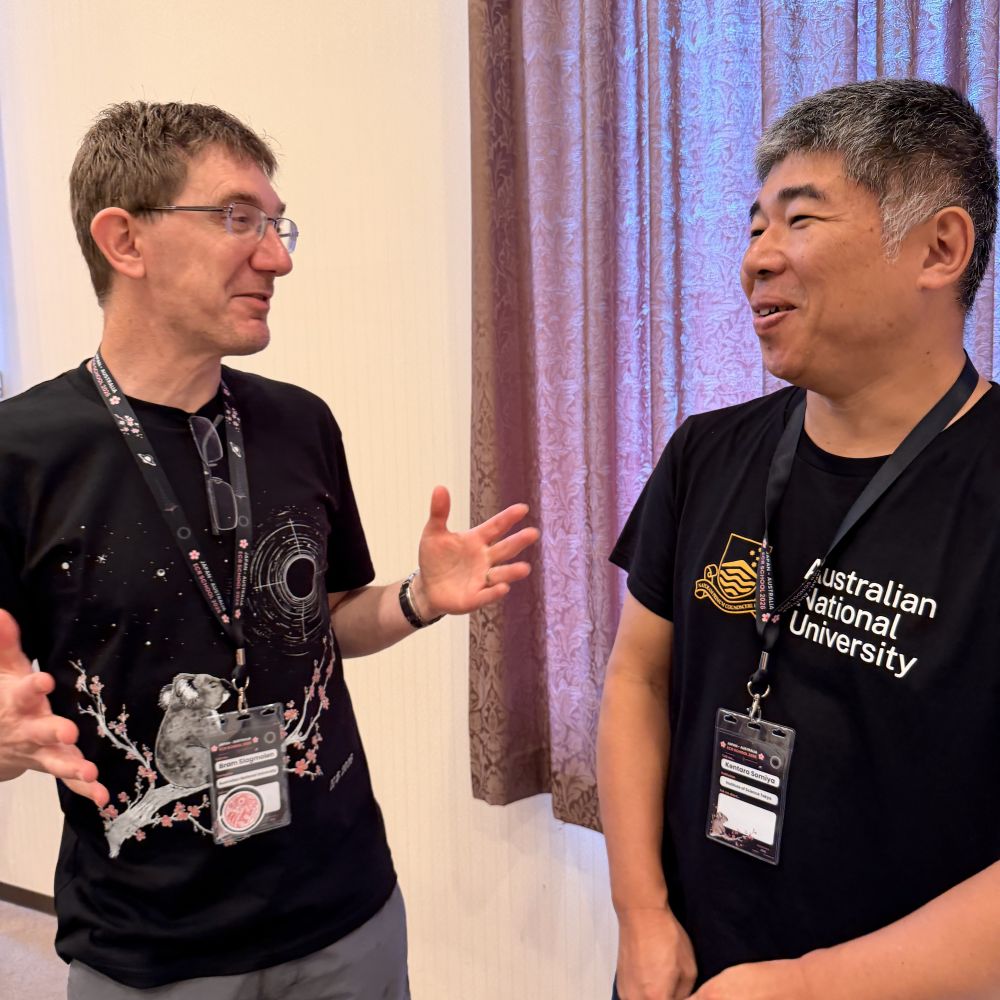
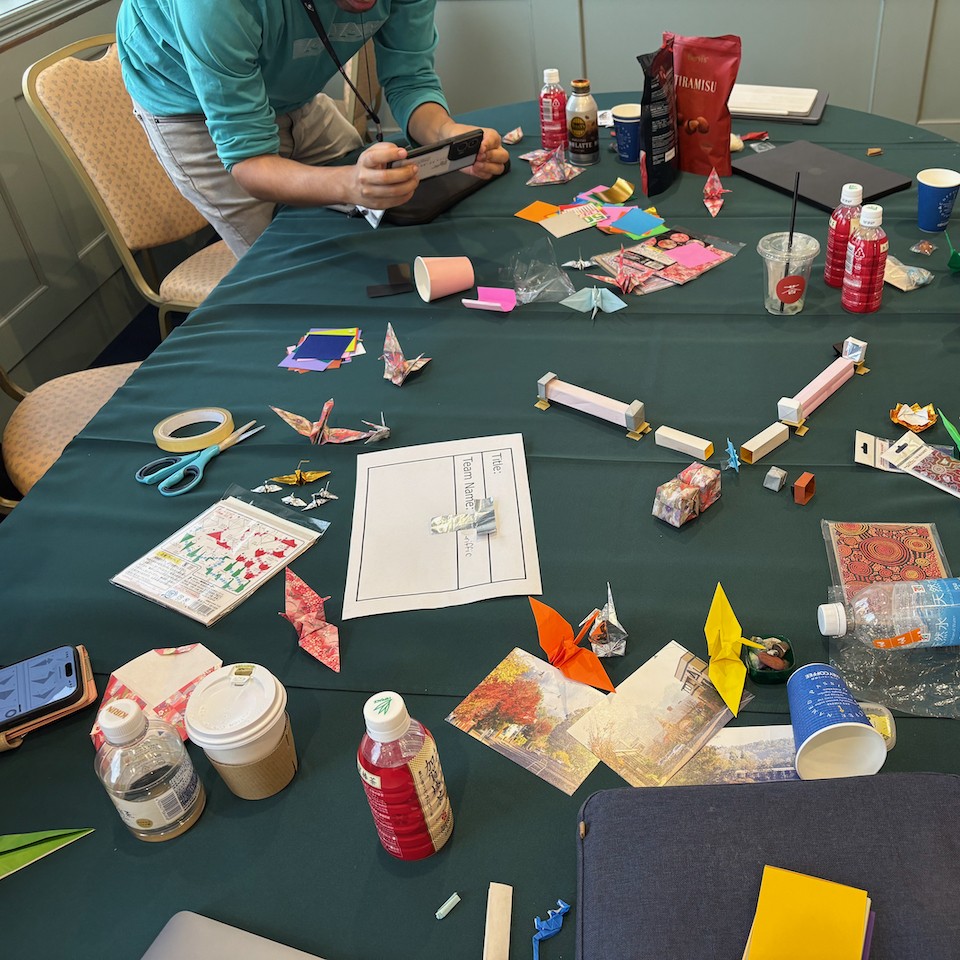
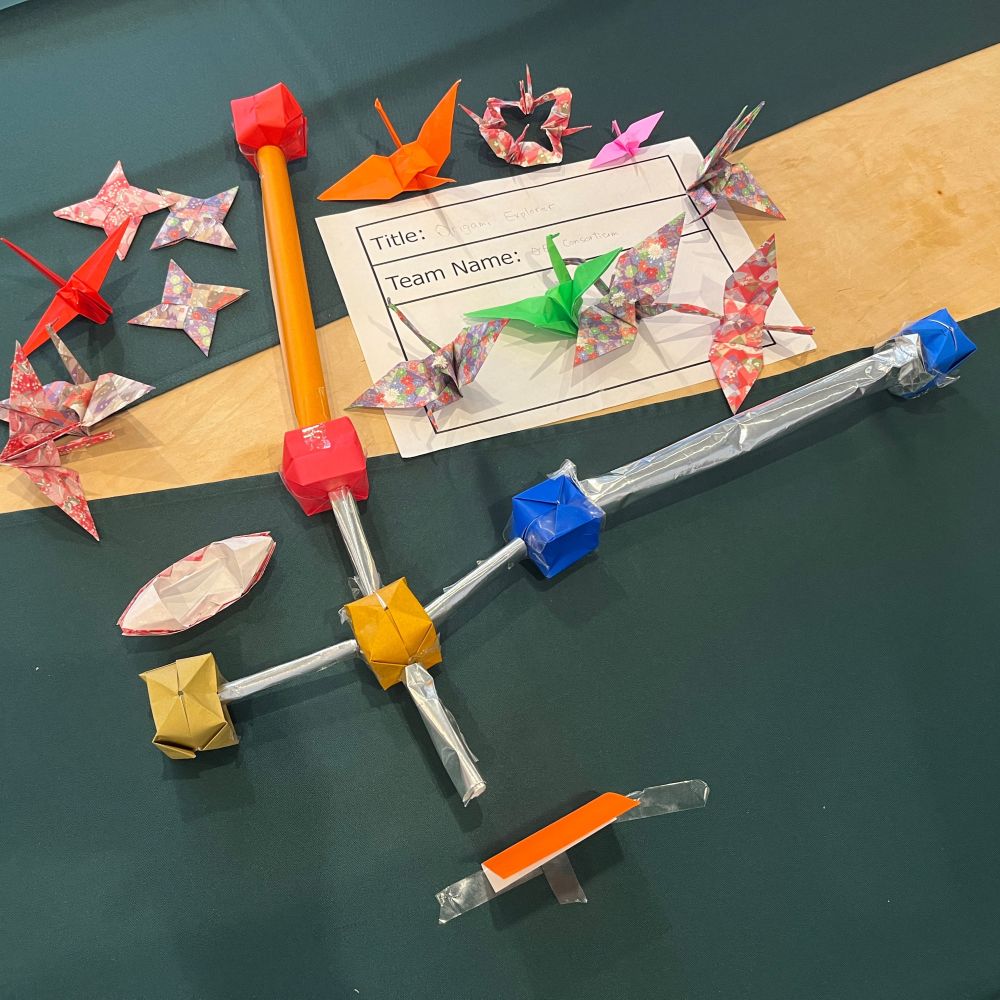
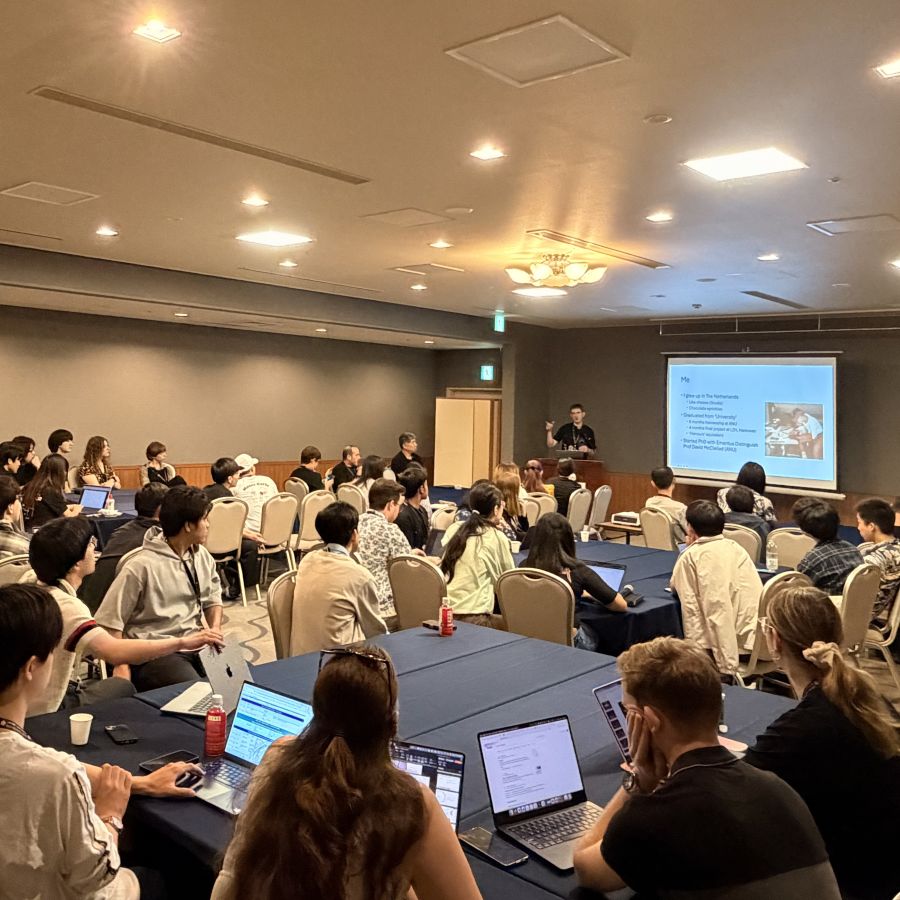
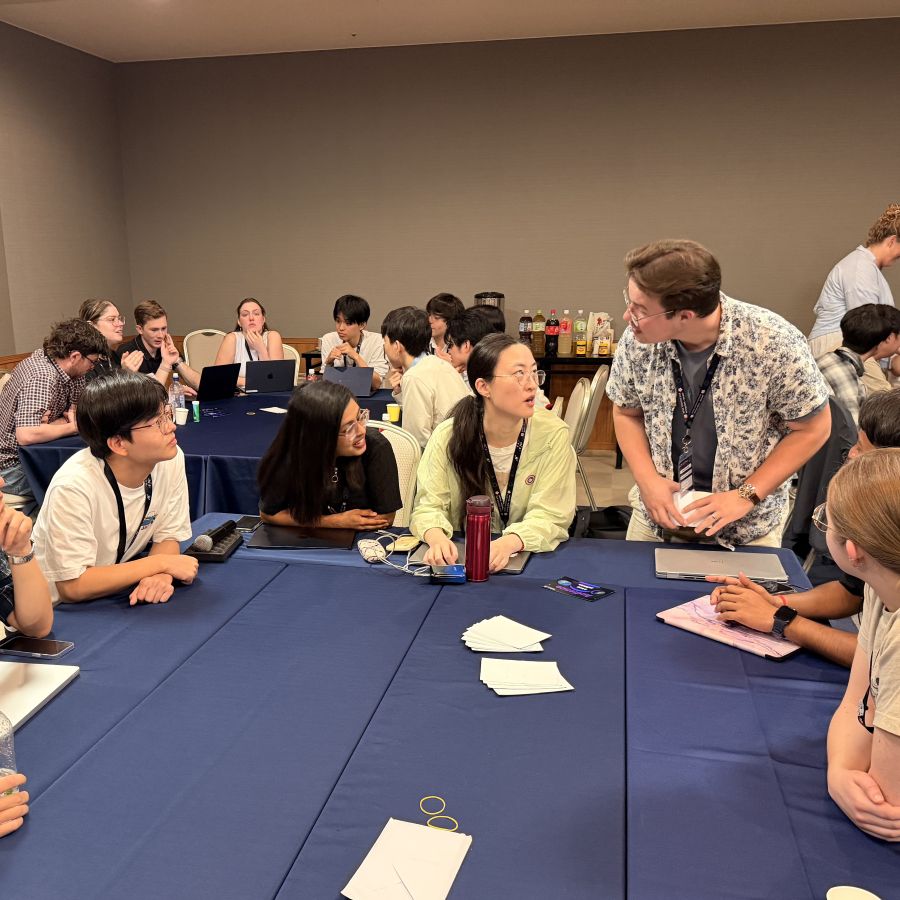
The 37th KAGRA Face-to-Face Meeting was held in Osaka, Japan, from August 26 to 28. A large number of researchers from Japan and Australia gathered for the event and exchanged ideas.

The 37th KAGRA Face-to-Face Meeting was held in Osaka, Japan, from August 26 to 28. A large number of researchers from Japan and Australia gathered for the event and exchanged ideas.
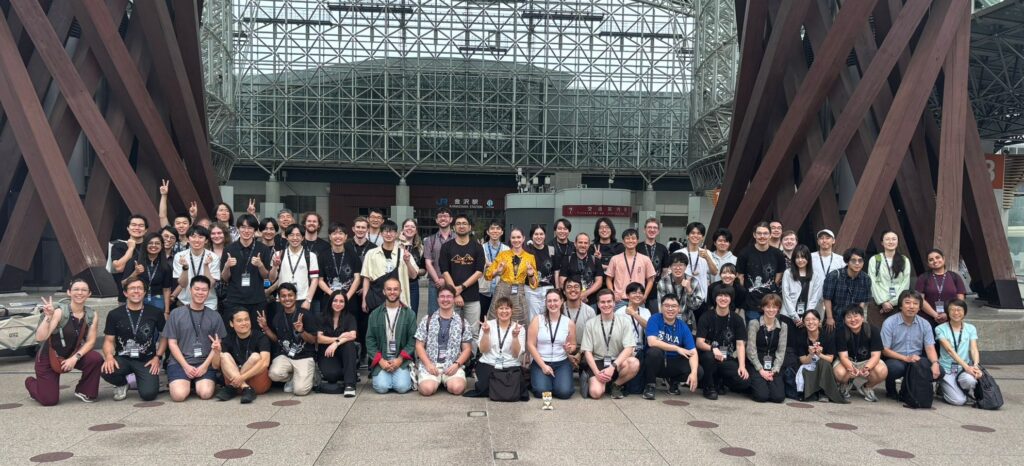
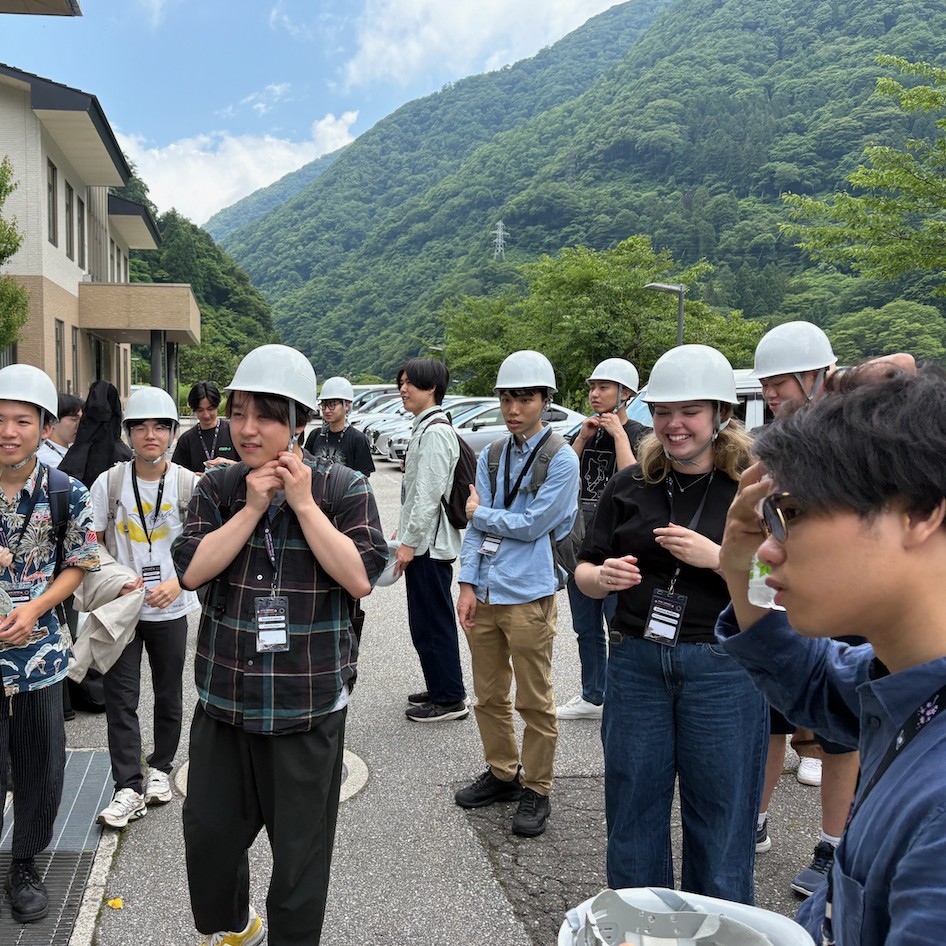
The 1st KAGRA ECR Workshop was held in Kanazawa, Japan, from June 28 to July 2, bringing together about 80 researchers from Japan and Australia.
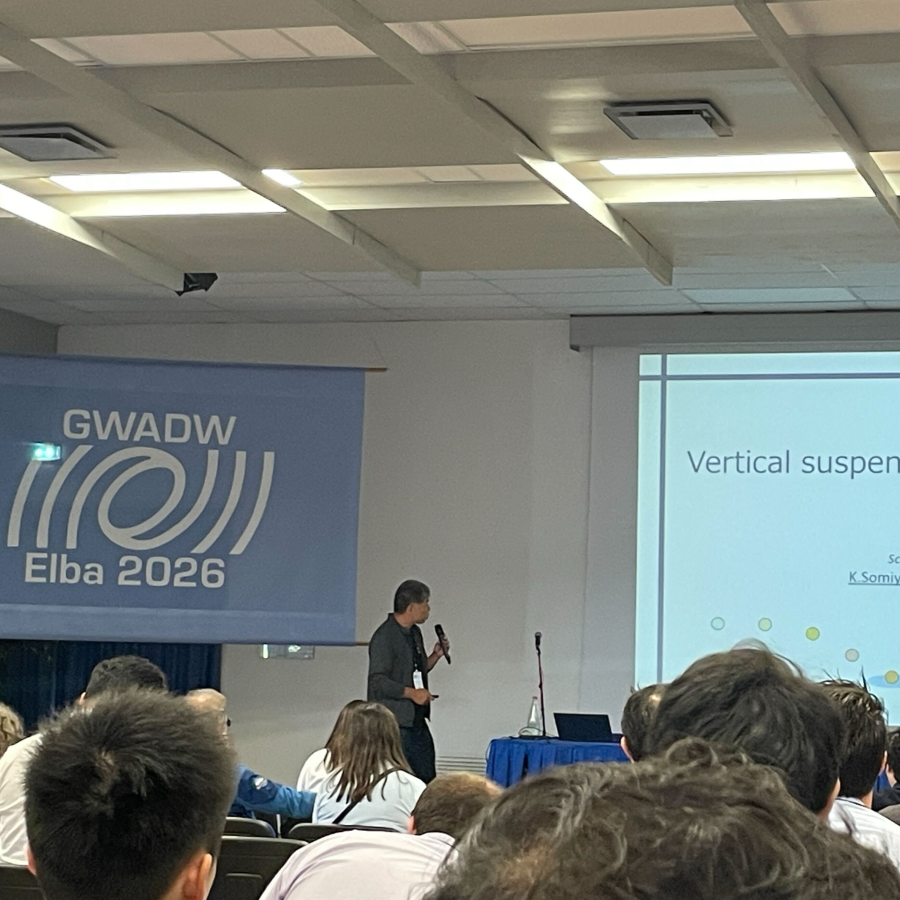
Many researchers from Australia and Japan participated in the international conference “The Gravitational Wave Advanced Detector Workshop (GWADW) 2026,” held on the Italian island of Elba from May 17 to 23.



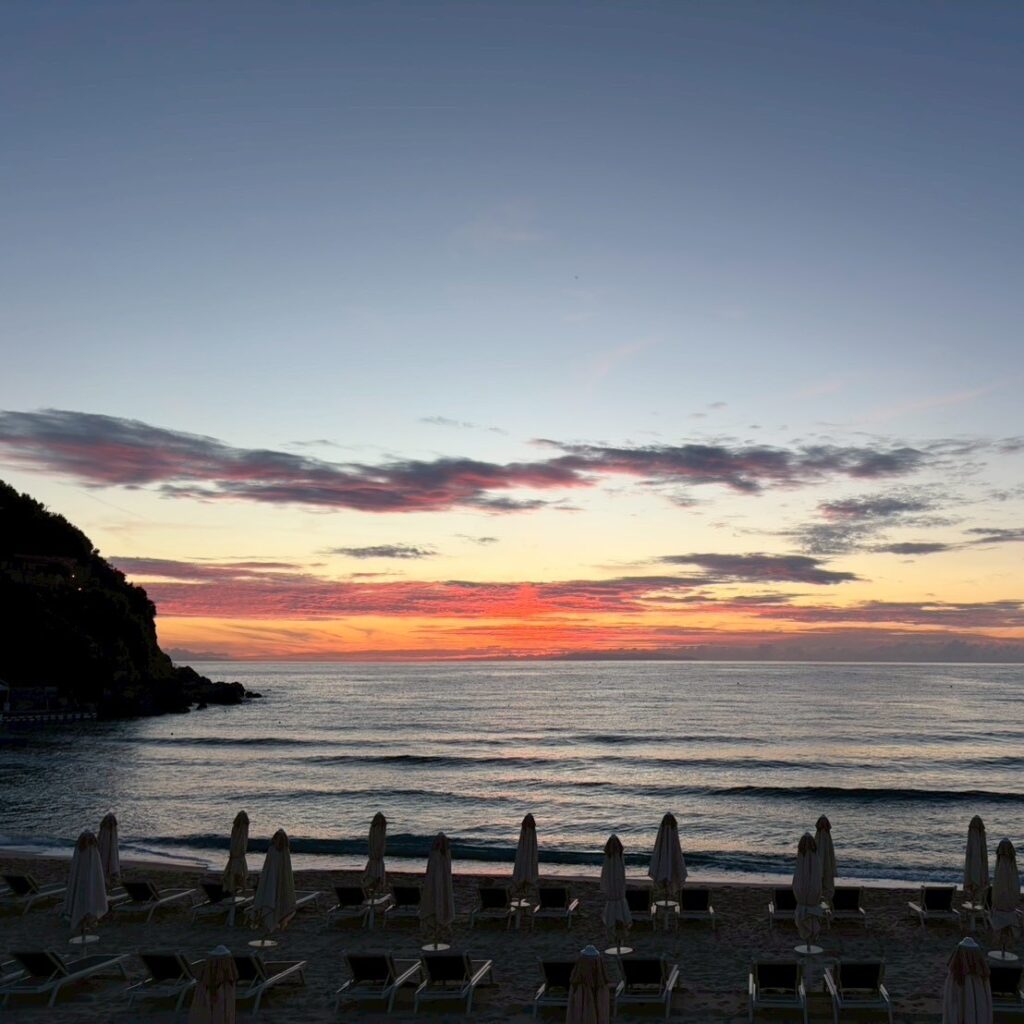
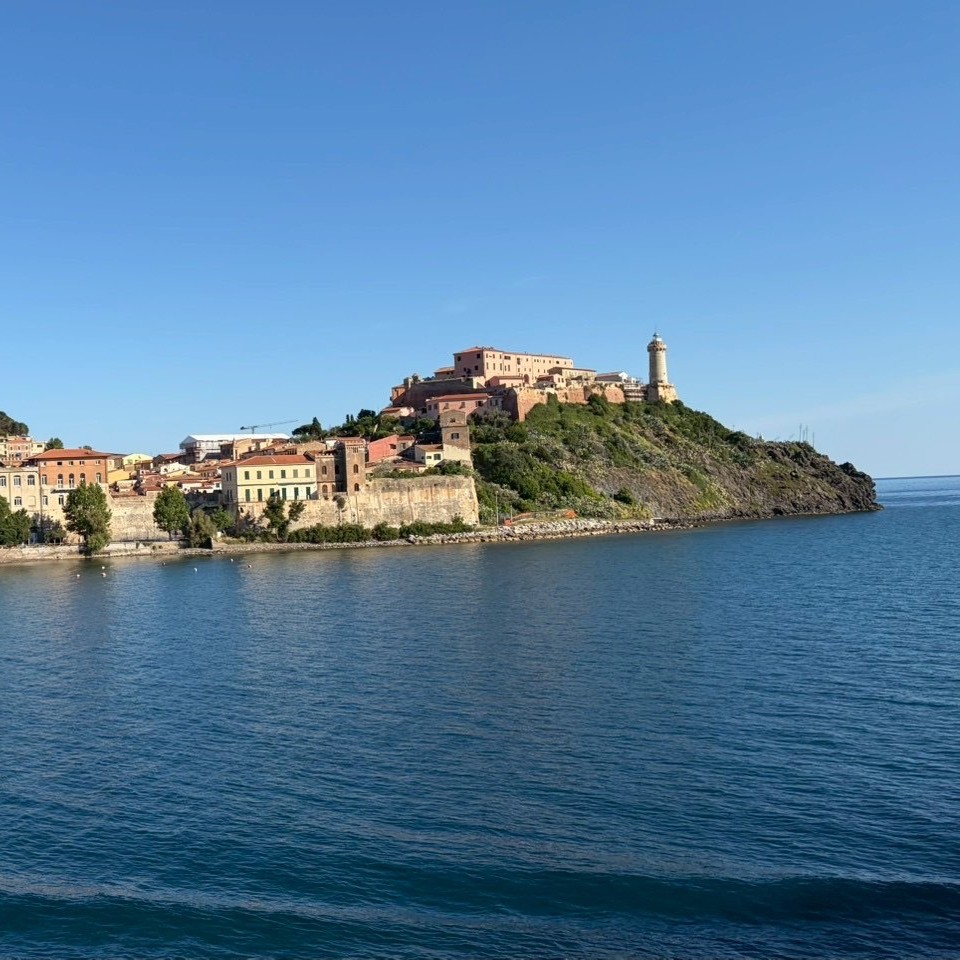
There is a ski resort near Kamioka Town, and the UWA visitors went skiing during the weekends. It was Alex’s first time skiing, but she made rapid progress thanks to Carl, who turned out to be a very good teacher.
They also joined a hiking trip to Kamikochi organized by Okinaka-san, a secretary at ICRR. Kenta Tanaka and Nojiri-san also joined the trip, making it a very enjoyable outdoor activity during the visit.


Ryo finished his last experiment of the year. Terry and Seon, members of the CGA Quantum team, surprised him with a hand-made drawing of the squeezing experiment.
Ryo plans to come back soon, probably in May, to complete the Quantum Teleportation experiment.

Ken-ichi and Kaido visited ANU to work on Quantum Teleportation experiment with Ryo. It was just a one-week visit but there was a lot of achievements.
ASPIRE visitors who come to KAGRA usually stay in a hotel in Kamioka Town. It is a quiet and small town. A local bus runs between the town and the KAGRA control room, and the trip takes about 40 minutes. The supermarket is located near the hotel, making it convenient for daily shopping.
Kamioka is surrounded by beautiful mountains and rivers, offering a peaceful environment for both research and relaxation. The town is also known for hosting major underground physics experiments such as Super-Kamiokande and KAGRA.


There are also many restaurants and izakaya (Japanese-style pubs) in the town. However, most staff do not speak English and menus are usually available only in Japanese. Fortunately, translation tools such as ChatGPT can be very helpful for understanding the menu.
Jian Liu, a postdoctoral researcher, and Emily Mazalevskis, a master student from UWA, visited Science Tokyo and worked with Suzuki Kaido on the optical spring experiment for two weeks.
During their visit, they also traveled to the KAGRA, where they met with Carl Blair and Alexandra Adam. In addition, they visited NAOJ to discuss ongoing work on the filter cavity experiment and birefringence experiment.

Dr. Carl Blair from the University of Western Australia (UWA) is visiting the KAGRA Observatory for one month. This year he is accompanied by Alexandra Adam, a PhD student at UWA. During their stay, they are collaborating with the KAGRA team on research focused on reducing beam jitter noise, contributing to ongoing efforts to improve the performance of the gravitational-wave detector.


Hui, a PhD student at Monash, came to Japan. He will work with Prof Morisaki until mid February. Today he visited us at Science Tokyo and gave a lecture on binary black holes.